
When Should I Use a Semi-Skirted PCR Plate Instead of a Full-Skirted or Non-Skirted Plate?
20th Feb 2026
You should use a semi-skirted PCR plate when your lab needs a balance between plate stability, instrument compatibility, and workflow flexibility. Many labs rely on this product when working with multiple thermal cyclers or shared equipment, because this design offers dependable support without the bulk of a full skirt or the handling limitations of a non-skirted plate.
In short, this product is often the best choice when versatility and reliability matter.
Key Differences Between PCR Plate Skirt Types
PCR plates may look similar, but skirt design plays a major role in how they perform in real lab environments.
Semi-Skirted PCR Plates
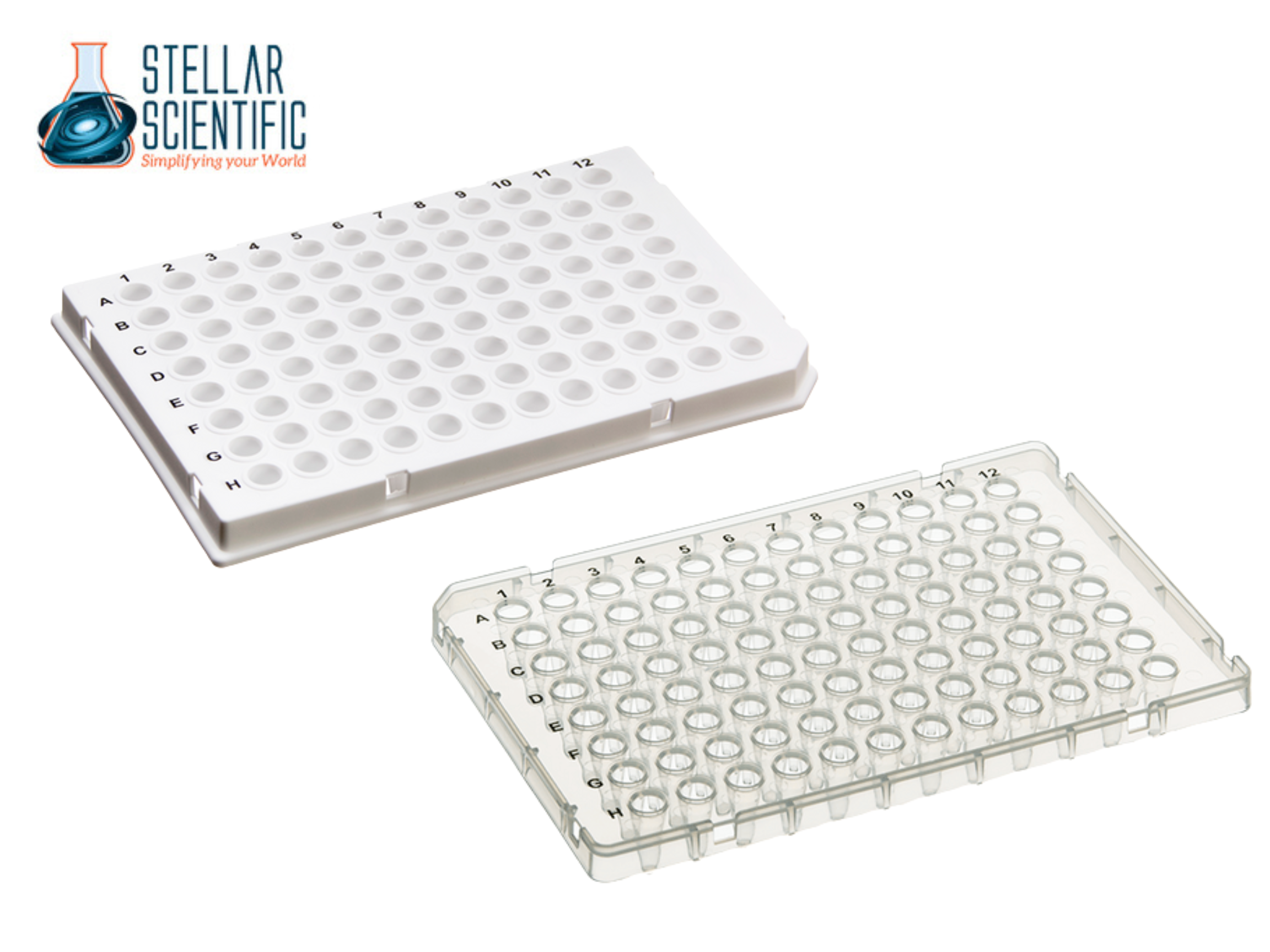
Semi-skirted PCR plates feature a partial skirt around the edge of the plate. This design provides:
- Added rigidity compared to non-skirted plates
- Broad compatibility with many thermal cyclers
- Easier labeling and handling
- A slimmer profile than fully skirted designs
Labs that want flexibility without sacrificing stability often standardize on semi-skirted PCR plates for daily workflows.
For example, many labs choose a 96-well semi-skirted PCR plate for routine PCR and qPCR applications where consistent fit and handling are important.
Full-Skirted PCR Plates
Full-skirted PCR plates include a skirt that extends fully around the plate, offering maximum structural support.
Labs often select full-skirted plates when:
- Automation and robotic handling are the top priorities
- Additional labeling space is required
- Plate rigidity during transport is critical
The tradeoff is that the full skirt can limit compatibility with some instruments.
Non-Skirted PCR Plates
Non-skirted PCR plates have no skirt at all, resulting in a lower-profile design.
They are sometimes used when:
- Instrument clearance is limited
- Minimal plate height is required
However, the lack of a skirt can reduce rigidity, making handling and automation more challenging.
Situations Where Semi-Skirted PCR Plates Make the Most Sense
High-Throughput and Automated Workflows
Semi skirted PCR plate is commonly used in high-throughput environments because they:
- Maintain shape during robotic handling
- Reduce misalignment in automated systems
- Offer enough rigidity without excess bulk
Their design works well with many liquid handling platforms and thermal cyclers.
Labs Using Multiple Instruments
In labs with more than one thermal cycler, compatibility is a frequent concern. Using PCR plates and PCR tubes that work across multiple instruments helps simplify inventory and reduce errors.
Semi-skirted PCR plates are often chosen because they fit reliably across a wide range of equipment, reducing the need to stock multiple plate types.
Teaching and Research Labs
Academic and shared research labs often prefer semi-skirted plates because they:
- Are easier for students and new technicians to handle
- Reduce mistakes caused by incorrect plate selection
- Work with both older and newer instruments
This makes them a practical choice in environments with frequent staff turnover.
Cost and Efficiency Considerations
While semi-skirted PCR plates may not always be the lowest-cost option upfront, they often save labs time and money by:
- Reducing compatibility-related delays
- Simplifying ordering and storage
- Minimizing workflow interruptions
For many labs, this balance leads to better long-term efficiency.
How to Decide Which PCR Plate Type Is Right for Your Lab
Before choosing a PCR plate style, consider:
- What thermal cyclers are currently in use?
- Is automation part of your workflow?
- Do multiple teams share consumables?
- How important are labeling and tracking?
If flexibility and compatibility are key concerns, semi-skirted PCR plates are often the safest choice.
A Real-Life Lab Example
A university genomics lab struggled with plate fit issues across different thermal cyclers. Some teams used newer instruments, while others relied on older models. Plates that worked on one machine failed on another.
After switching to semi-skirted PCR plates:
- Compatibility issues dropped significantly
- Inventory became easier to manage
- Setup time was reduced across teams
No protocols changed, only the plate design.
Best Practices for Using Semi-Skirted PCR Plates
To get the most out of semi-skirted PCR plates:
- Confirm compatibility with your primary thermal cycler
- Use appropriate seals to prevent evaporation
- Store plates flat to maintain shape
- Organize plates using stackable PCR work racks to protect samples and improve workflow
These practices help ensure consistent results and easier handling.
Frequently Asked Questions About Semi-Skirted PCR Plates
When should I use a semi-skirted PCR plate?
When your lab needs a balance of stability and compatibility across multiple instruments.
Are semi-skirted PCR plates compatible with most thermal cyclers?
Yes. These are designed to work with most modern thermal cyclers, though compatibility should always be verified.
Are semi-skirted PCR plates good for automated systems?
Yes. Their partial skirt provides added rigidity that works well with robotic handling systems.
How do semi-skirted PCR plates compare to full-skirted plates?
They offer more flexibility and compatibility, while full-skirted plates provide maximum rigidity.
Can teaching labs use semi-skirted PCR plates?
Absolutely. They are commonly used in teaching labs because they are easy to handle and compatible with a wide range of equipment.
Ready to Choose the Right PCR Plates for Your Lab?
Selecting the right PCR plate can reduce compatibility issues and simplify daily workflows. If your lab uses multiple instruments or shared equipment, semi-skirted PCR plates may be the most practical option.
You can explore additional options within our PCR plates and PCR tubes selection to find the best fit for your setup.
About Stellar Scientific
Stellar Scientific is a trusted supplier of scientific research products, tools, supplies, and equipment serving research labs, universities, biotech companies, and quality control environments. We support lab professionals by providing reliable PCR consumables and practical guidance to help them choose products that fit their workflows.
From semi-skirted PCR plates to related accessories, our knowledgeable team is here to help. Ready for a quote or need product guidance? Contact us today and speak with our team.