
Sterility, Sealing, and Storage: What Labs Should Know About Using Duo-Click Culture Tubes
3rd Feb 2026
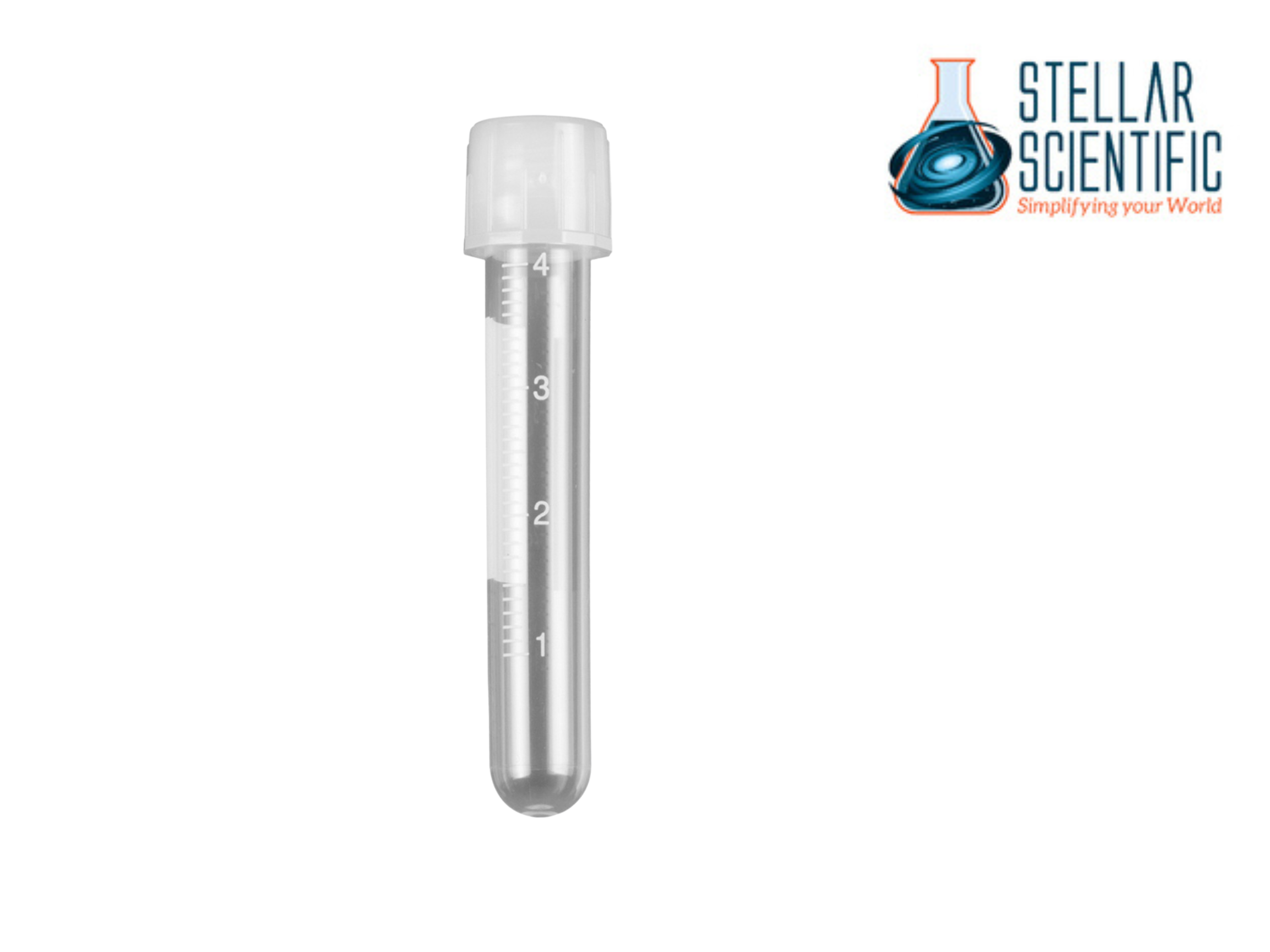
Duo-Click Culture Tubes are designed to help labs manage sterility and storage by offering a two-position screw cap that supports both ventilated and fully sealed conditions. Knowing how to seal and unseal these tubes correctly, what contamination-prevention features to prioritize, and whether they are suitable for longer-term storage can help labs avoid common handling issues and protect sample integrity.
These considerations matter in research labs, teaching environments, and biotech settings alike, where culture loss due to contamination or evaporation can delay work and increase costs.
How the Duo-Click Sealing Mechanism Works
Duo-Click Culture Tubes use a two-position screw-cap system designed to give users clear feedback during sealing. As the cap is rotated, it engages at two distinct points.
- The first click provides a secure but ventilated position, typically used when gas exchange is required.
- The second click produces a fully closed, leak-resistant seal intended for storage or containment.
The audible and tactile clicks are intentional. They help users confirm the sealing position without over-tightening, which can reduce splashing and unnecessary handling force compared to snap-cap designs.
Sealing and Unsealing Without Compromising Sterility
Even with a well-designed closure, sterility depends heavily on handling technique.
Before opening a tube, the exterior should be wiped down and handled in a clean work area such as a biosafety cabinet. This helps reduce the chance of transferring contaminants from gloves or bench surfaces.
When unsealing, rotate the cap slowly and deliberately until the desired click is reached. Fast or forceful movements can disturb contents or draw contaminants toward the opening. Once the tube is open, avoid touching the rim or inner surface of the cap with gloves, pipettes, or other tools.
After sampling or inoculation, reseal the tube promptly. Reducing the time a tube remains open is one of the simplest ways to limit contamination risk.
Contamination-Prevention Features That Matter
When selecting culture tubes, including Duo-Click formats, several design and manufacturing features contribute to sterility control.
Pre-sterilized packaging allows tubes to be used directly from the package without additional preparation. This reduces handling steps before use.
Secure screw-cap closures are generally more resistant to accidental opening than snap caps, particularly during transport or incubation.
Material selection also plays a role. Polypropylene tubes are commonly chosen for their chemical resistance and broader temperature tolerance, while polystyrene options are used when optical clarity is needed.
Features such as printed graduations and writable caps enable labeling directly on the tube, reducing reliance on external labels that may peel, trap moisture, or interfere with handling.
Storage Considerations for Duo-Click Culture Tubes
Duo-Click Culture Tubes are widely used for culturing and short- to medium-term storage. For longer storage periods, a few additional factors should be considered.
The tube material should be compatible with the intended storage temperature. Polypropylene versions typically tolerate lower temperatures than polystyrene versions, though exact limits should always be confirmed for the specific product.
For storage, rotate the cap to the second click to ensure a fully closed seal. This helps reduce evaporation and limits exposure to external moisture or contaminants.
For extended storage or critical samples, labs often use secondary containment, such as sealed boxes or controlled-environment storage, to provide an additional barrier.
Common Issues and Practical Troubleshooting
The cap does not engage clearly.
Inspect the threads for residue or damage. Debris can prevent the cap from reaching the intended click position.
Evaporation during storage
Confirm that the tube is fully sealed at the second click. Large headspace volumes or temperature fluctuations can also contribute to gradual loss.
Contamination after storage
This is often linked to handling rather than the tube itself. Review opening technique, work area cleanliness, and how long tubes remain open during use.
Features and Add-Ons You May Not Need
Not every lab workflow requires additional accessories or specialized storage methods. For many standard Duo-Click Culture Tube applications, external sealing films are unnecessary when the tube is properly closed at the appropriate click position.
Using oversized tubes for small sample volumes can increase evaporation risk and may introduce unnecessary headspace. In most cases, selecting a tube size that closely matches the working volume produces more stable results.
Similarly, extra pressure-rated closures are rarely required unless working under specific conditions, such as pressurized systems or specialized containment needs. Choosing tube sizes and features based on actual handling and storage requirements helps keep workflows efficient and cost-effective.
Frequently Asked Questions
How do you properly seal Duo-Click Culture Tubes?
Rotate the cap until it clicks. The first click ventilates; the second click fully seals the tube.
How do you open Duo-Click Culture Tubes without compromising sterility?
Open slowly in a clean area, avoid touching inner surfaces, and reseal immediately after use.
Can Duo-Click Culture Tubes be used for long-term storage?
They are best for short- to medium-term storage. Use full sealing and secondary containment for longer periods.
What is the advantage of a two-position screw cap?
It allows ventilation when needed and a fully sealed option for storage or transport.
Choosing the Right Culture Tube for Your Application
If you’re reviewing culture tubes for sterility, sealing, or storage considerations, it’s helpful to compare tube design and materials against how samples are actually handled and stored in your lab. Additional product specifications and available formats are available on Stellar Scientific. For questions about availability, packaging, or general product details, the contact us page provides a straightforward way to get more information or confirm compatibility with existing lab practices.