
How to Properly Calibrate a Multi-Block Dry Bath Heater Using a NIST-Traceable Probe for ISO 17025 Compliance
Posted by Lee Lowenstein on 22nd Apr 2026
To properly calibrate a multi-block dry bath heater for ISO 17025 compliance, insert a NIST-traceable digital thermometer probe into the center well of a stabilized block set to a specific target temperature. Compare the device’s digital display reading against the certified probe’s reading, and adjust the unit's internal calibration offset until the temperatures align within the manufacturer’s specified tolerance.
The Necessity of NIST-Traceable Calibration
In a high-stakes laboratory environment, precision is the foundation of every breakthrough. Whether you are performing enzyme digestions, DNA denaturing, or hot start PCR, the thermal stability of your equipment dictates the validity of your results. ISO 17025 compliance requires a rigorous approach to equipment maintenance, moving beyond simple functionality into the realm of documented, traceable accuracy.
Calibration ensures that when your dry bath indicates 37°C, the internal temperature of your microcentrifuge tubes is exactly 37°C. Using a NIST-traceable probe, a device with an unbroken chain of comparisons to the National Institute of Standards and Technology provides the legal and scientific paper trail necessary for research and diagnostic audits.
Preparing the Calibration Environment
Before beginning the adjustment, you must ensure your environment is controlled. Drafts, direct sunlight, or fluctuating ambient temperatures can introduce variables that skew your data and lead to inconsistent readings.
First, select your standards by using a high-precision digital thermometer with a valid NIST certificate. The probe should be small enough to fit snugly within the block wells of your laboratory dry baths to ensure maximum surface contact and accurate heat transfer.
Check your heating blocks for debris or oxidation before starting the power cycle. Ensure the wells are clean, as any barrier between the block and the probe will cause an inaccurate reading during the stabilization phase.
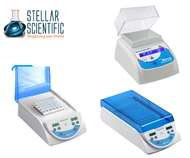
Turn on your unit and allow it to reach its set point. For a compact system like the Benchmark Scientific MyBlock Mini Dry Bath BSH200, ISO standards typically recommend a stabilization period of at least 30 to 60 minutes before taking your first official reading.
Step-by-Step Calibration Protocol
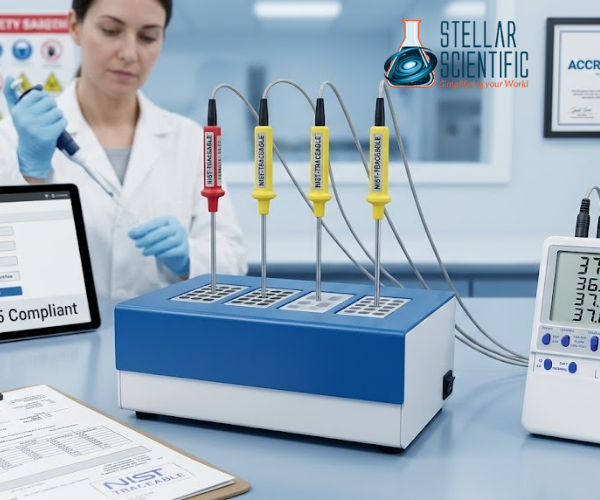
Calibrating a multi-block system is slightly more complex than a single-block unit because you must account for thermal uniformity across a larger surface area. Start by selecting a temperature set point that is central to your most frequent applications, such as 37°C or 56°C.
Place your NIST-traceable probe into the center well of the primary block. For a Benchmark Scientific myBlock I- Digital Dry Bath, it is best practice to measure the center of the heating surface to establish the baseline for the internal controller.
Once the probe temperature has stopped fluctuating, record the "True Temperature" from the probe versus the "Displayed Temperature" on the heater. If the display says 56°C but the probe says 55.4°C, you have a -0.6°C deviation that must be corrected in the settings.
Most modern units have a built-in calibration mode accessed by a specific key combination, such as holding the arrow keys. Enter the offset value to correct the display, then allow the unit to re-stabilize for another 15 minutes to verify the adjustment.
Achieving ISO 17025 Compliance
Compliance is as much about documentation as it is about the physical act of calibration. To meet ISO 17025 standards, your lab must maintain a calibration log that includes serial numbers for both the heater and the probe, the "As Found" data, and the final "As Left" data.
By following this protocol, you ensure that your equipment provides the information gain required for reproducible science. This level of detail minimizes the risk of technical errors during critical assays and ensures your lab stays audit-ready throughout the year.
Our Proprietary Approach to Lab Support
At Stellar Scientific, we operate with a specific philosophy: Our expert team is passionate about science and ready to assist you with any questions you may have, provide great service, technical expertise, carefully curated selection of high-quality lab essentials, to inspire discovery, with high standards for quality and performance at a fair and competitive price. This framework ensures that every piece of equipment we supply is backed by the knowledge needed to integrate it into a compliant workflow.
People Also Ask
- How often should a dry bath be calibrated? Most ISO 17025 labs require calibration every 6 to 12 months, or more frequently if used at high temperatures.
- Can I use a standard thermometer? No, compliance requires a NIST-traceable digital probe to ensure a documented chain of accuracy.
- What is thermal uniformity? It is the ability of the heater to maintain the same temperature across all wells in a block, which is critical for consistent results.
Support for Your Research Success
At Stellar Scientific, we are more than just a supplier; we are your partners in precision. Our staff understands the unique challenges of navigating complex lab requirements, from sourcing specialized blocks to ensuring your equipment meets the highest standards of accuracy. We prioritize your confidence and reassurance, ensuring you have the reliable products and support needed to streamline your work and minimize errors.
Whether you are ready to make a purchase or need personalized recommendations, we are here to support your needs every step of the way. Contact us today!