
How Do Slide and Cassette Printers Reduce Labeling Errors in the Lab?
9th Feb 2026
Slide and cassette printers reduce labeling errors by replacing handwritten identifiers with consistent, machine-readable labels generated directly from digital case data. This approach helps minimize transcription mistakes, illegible labels, and specimen mix-ups that often occur during accessioning and grossing.
In histology and pathology workflows, labeling errors typically happen early in the process and can follow a specimen through processing if not caught. Using automated slide and cassette printers helps maintain accurate identification as samples move from grossing to sectioning, staining, and archiving.
How Slide and Cassette Printers Reduce Specimen Labeling Errors
Automated printers reduce labeling errors by addressing the most common failure points in manual workflows.
Consistent print quality
Slide and cassette printers produce uniform text and barcodes with predictable placement. This consistency improves readability and reduces scan failures compared to handwritten labels, which vary by user and writing conditions.
Direct use of digital case data
Printers can receive identifiers directly from laboratory information systems (LIS), reducing the need for manual transcription. Fewer manual steps typically mean fewer opportunities for mismatches between specimens and identifiers.
Point-of-use printing
Printing slides and cassettes at or near the grossing station helps ensure labels are generated for the correct specimen at the proper time. This reduces the risks associated with batch labeling or pre-labeling.
Are Printed Slides and Cassettes More Accurate Than Handwritten Labels?
In most lab environments, printed slides and cassettes are more accurate than handwritten labels.
Handwritten labels are prone to illegibility, inconsistent formatting, and transcription errors. Printed identifiers use standardized fonts and layouts that are easier for both staff and barcode scanners to read.
Printed labels are also more durable. Technologies such as thermal transfer and UV laser marking produce identifiers that remain legible after exposure to solvents, heat, and routine handling conditions that often degrade ink or marker-based labels.
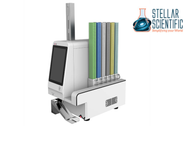
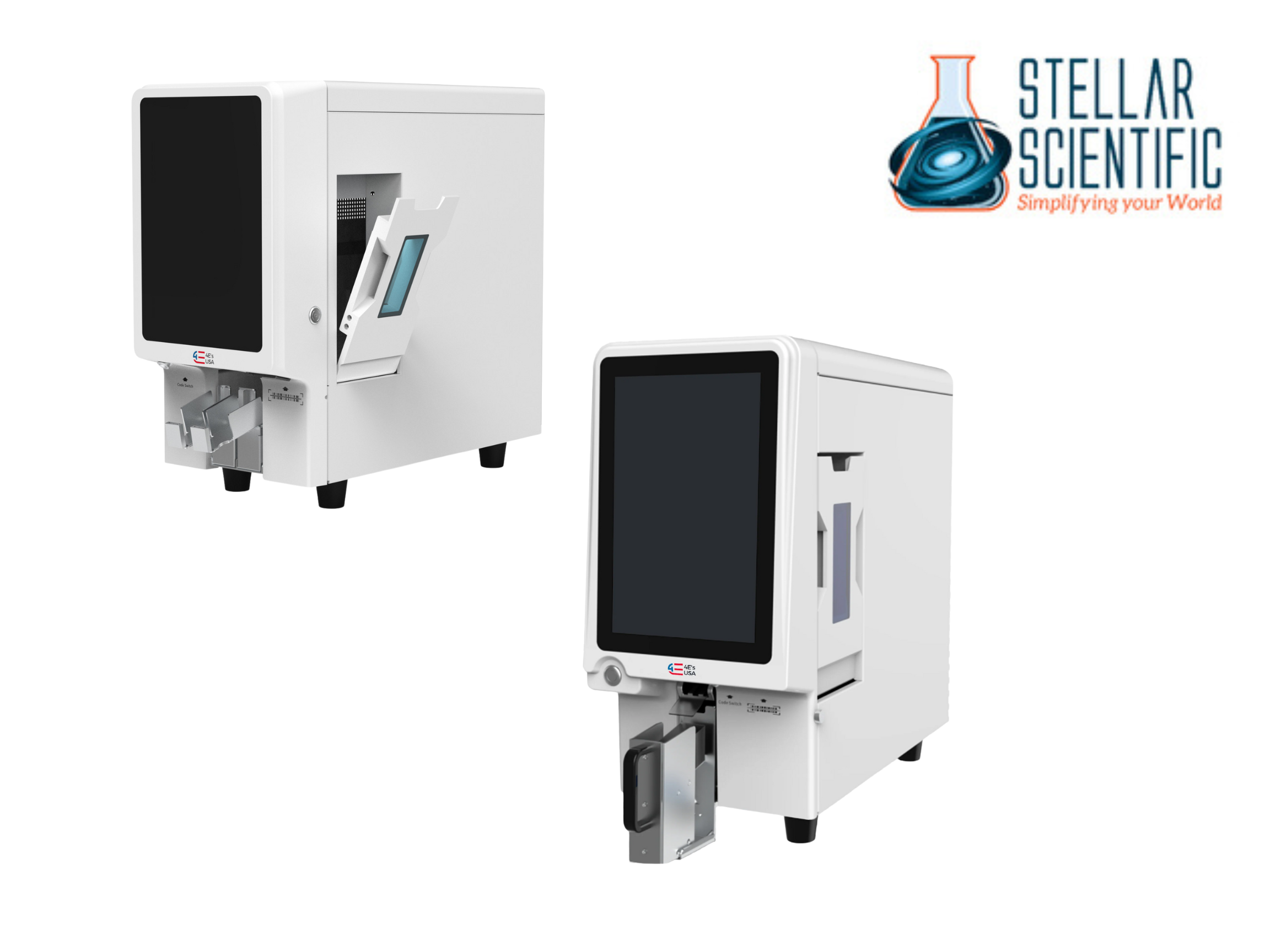
Labs that prioritize long-term label durability often use UV laser printing for slides, such as the UV Laser Microscope Slide Printer with 100-slide hopper.
For cassette labeling, systems such as the UV Tissue Cassette Printer with 600-cassette capacity are commonly selected for their consistent output and resistance to processing conditions.
Labeling Mistakes: Slide and Cassette Printers Help Prevent
Slide and cassette printers are designed to reduce several common types of errors.
Transcription errors
Manual copying of case numbers or patient identifiers introduces risk. Automated printing directly from digital records reduces this exposure.
Illegible or incomplete identifiers
Uniform printed text and barcodes eliminate variability caused by handwriting quality or marker performance.
Label placement issues
Printers designed specifically for slides and cassettes place labels in consistent positions, improving scan reliability and reducing manual alignment adjustments.
Label degradation during processing
Printed identifiers applied directly to slides or cassettes are less likely to fade, smear, or wash off during chemical processing compared to handwritten or adhesive labels.
Using compatible consumables, such as plastic biopsy tissue cassettes, also supports consistent print quality and durability.
Practical Troubleshooting: Common Issues and Fixes
Even with automated systems, issues can occur. Common examples include:
Barcodes do not scan reliably
This may indicate low print contrast or incorrect resolution settings. Verifying printer configuration and barcode density usually resolves the issue.
Printed identifiers fade after processing
Confirm that the printing technology matches your workflow conditions. Thermal transfer and UV laser systems generally perform better than ink-based methods under solvent exposure.
Misaligned prints
Check cassette or slide seating and alignment guides. Printers designed for histology consumables reduce placement variability when properly configured.
Features That Often Don’t Improve Labeling Accuracy
Not every available feature directly reduces labeling errors. In many lab environments, extremely high print speeds offer little benefit unless throughput is already a constraint.
Similarly, decorative fonts or custom graphics may add visual variety but rarely improve readability or barcode scan reliability. In some cases, they can actually make labels harder to interpret.
Standalone printers that rely on repeated manual data entry also tend to increase error risk when LIS connectivity is available. Prioritizing clear, durable printing and reliable data integration usually delivers the most practical improvements in labeling accuracy.
Frequently Asked Questions
Do slide and cassette printers eliminate labeling errors entirely?
No system eliminates all errors, but automated printing significantly reduces transcription, handwriting, and batch labeling mistakes.
Is LIS integration required to reduce labeling errors?
LIS integration is not required, but it further reduces manual entry and improves traceability.
Are slide and cassette printers useful in low-volume labs?
Yes. Even low-volume labs benefit from consistent labeling and improved readability compared to manual methods.
Choosing the Right Slide and Cassette Printer for Your Lab
If your lab is evaluating slide and cassette printers to improve labeling accuracy, comparing printer capabilities against your existing workflow is a practical starting point. Available options and configurations can be explored through Stellar Scientific.
Ready to compare slide and cassette printer options for your lab?
For questions about specifications, compatibility, or configuration, you can contact us to learn more.