
Educational Technical Guide to Calculating Light Exposure for Photostability Testing
30th Mar 2026
Determining the exact amount of visible and ultraviolet energy required to evaluate product integrity involves dividing the target accumulated dose by the measured instantaneous light output of your testing equipment. This specific calculation logic ensures that pharmaceuticals, nutraceuticals, and food products receive the precise exposure needed to meet strict global regulatory standards for shelf life and safety.
To conduct photostability testing in accordance with ICH Q1B guidelines, laboratories use specialized climate-controlled chambers to simulate environmental stress. Conducting these tests requires high-cost chambers capable of delivering exact, replicable light exposure. A complete understanding of the technical requirements is essential to maximize your investment in this equipment and avoid compliance failures.
Decoding the ICH Q1B Guideline Requirements
The industry standard for evaluating these effects outlines specific exposure criteria that products must meet. The guideline specifies two mandatory exposure endpoints that must be met sequentially or simultaneously.
- Visible Light Exposure: The product must receive a total accumulated exposure of at least 1.2 million Lux-hours.
- Near-UV Energy Exposure: The product must receive an integrated near-UV energy of at least 200 Watt-hours per square meter (Wh/m2).
The Technical Variables Affecting Your Testing
Achieving precise exposure levels requires careful management of your equipment variables.
Lamp Condition and Age
The intensity of visible and UV lamps diminishes over time. A new lamp delivers significantly more instantaneous light output than one that has been in use for several hundred hours. To achieve the required total exposure, the test duration must increase as the lamps age.
Sample Positioning and Height
Light intensity follows the inverse square law. The distance from the light source dramatically affects the exposure rate the sample receives. A chamber might deliver a specific Lux intensity at a distance of 12 cm. If your samples are positioned closer or farther away, they receive a significantly different light intensity.
Calculating Your Exposure Time Manually
A critical technical skill for laboratory operators is calculating the required test duration based on the equipment's current light output. This allows for accurate planning of testing schedules.
The Standard Formula:
Required Time (hours) = Target Accumulated Dose / Measured Light Intensity Rate
Below is an example of calculating the 1.2 million Lux-hours requirement for visible light, given a chamber illuminance of 9,000 Lux at the sample height.
Calculation Step and Value:
- Target Requirement: 1,200,000 Lux hours
- Measured Intensity Rate: 9,000 Lux (or 9,000 Lux hours per hour)
- Hourly Calculation: 1,200,000 ÷ 9,000 = 133.33 hours
- Daily Conversion: 133.33 ÷ 24 = 5.55 days
At an intensity of 9,000 Lux, your test requires approximately 5.5 days to meet the standard for visible light. The same mathematical logic applies to the UVA radiation calculation: divide the 200 Wh/m2 requirement by your chamber's measured W/m2 output.
Automating Calculations with the Binder KBF LQC 720
While manual calculations provide a baseline for testing schedules, advanced climate chambers eliminate the need for manual math and estimation.
If your laboratory uses the Binder KBF LQC 720, the calculation process is fully automated by its patented Light Quantum Control (LQC) photometry system. Instead of calculating duration based on estimated lamp output, this system measures the actual light dose reaching the product in real time.
Here is how the Binder KBF LQC 720 manages exposure times:
- 3D Spherical Sensors: The chamber houses independent, movable spherical sensors for both UV-A and visible-light wavelengths.
- Direct Sample Measurement: You place these sensors directly next to your sample material. The sensors continuously measure the accumulated dose (Lux-hours and Wh/m2) at that location.
- Automatic Shut Off: You program the target regulatory dose directly into the touchscreen controller. The chamber runs the test and automatically switches off the light cassettes when the sensors detect that the target dose has been reached.
This technology automatically compensates for lamp aging and sample distance, ensuring strict compliance with ICH Q1B standards without requiring technicians to adjust run times manually.
The Importance of Validated Equipment
Managing variables like lamp aging and distance requires precise engineering. Investing in reliable equipment is a fundamental requirement for establishing authority in your niche and delivering product safety.
At Stellar Scientific, we offer a range of equipment designed to meet these rigorous demands:
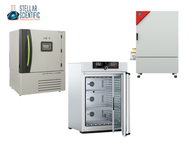
- Photostability Chambers: Our comprehensive selection of chambers is designed specifically to deliver the precise visible and UV exposure required by the ICH Q1B guidelines.
- Binder KBF-S ECO 240 Humidity Chamber: This 8.7-cubic-foot chamber provides accurate humidity control for a wide range of environmental simulation applications.
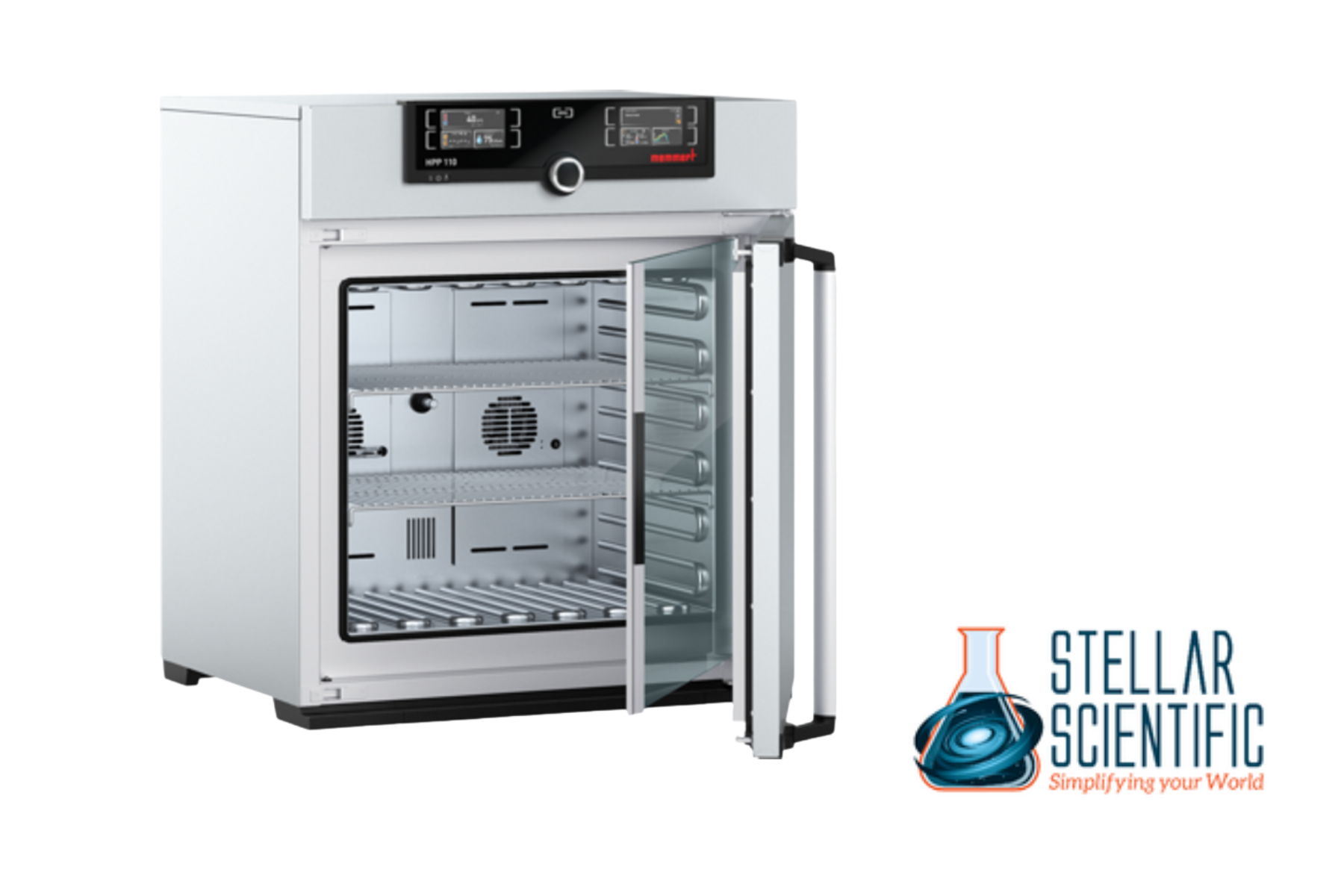
- ICH Photostability Testing Chamber: This 11-cubic-foot interior chamber focuses solely on light exposure, with no humidity control, making it an efficient solution for dedicated labs.
- Climate Chambers: For broader testing needs, explore our full line of chambers that offer control over a wide range of environmental conditions.
By understanding the technical nuances of light exposure and utilizing intelligent equipment, you can ensure your testing is compliant and scientifically sound.
Frequently Asked Questions
How do you calculate exposure time for photostability testing?
You calculate the required time by dividing the target accumulated dose by the measured instantaneous output of the testing chamber. For example, dividing the ICH requirement of 1.2 million Lux hours by the measured chamber intensity of 9,000 Lux yields a total test duration of 133.33 hours.
What is the difference between Lux and Lux hours?
Lux is a unit of measurement for the instantaneous illuminance at a point on a surface. Lux hours measure the accumulated total dose of that light energy delivered over a set period. Regulatory guidelines specify minimum Lux-hour totals to ensure the product receives the required exposure for accurate stability evaluation.
Why is sample distance important in stability testing?
Light intensity follows the inverse-square law, meaning it decreases rapidly as it propagates through space. A product sample placed closer to the light source receives significantly higher light intensity than a sample placed farther away on a lower shelf. Standardizing distance or using direct real-time measurement is required to ensure consistent, compliant exposure calculations.
How does the Binder KBF LQC 720 automate exposure calculations?
This chamber uses a patented Light Quantum Control system with independent spherical sensors. By placing these sensors directly next to the product sample, the system measures the actual light dose in real time. Once the pre-programmed accumulated dose is reached, the chamber automatically shuts off the lighting cassettes, eliminating the need for manual time calculations or lamp degradation estimates.
About Stellar Scientific
Stellar Scientific is a trusted supplier of scientific research products, tools, supplies, and laboratory equipment for researchers, quality control professionals, and manufacturers in the pharmaceutical, nutraceutical, and food industries. We offer a comprehensive selection of precision-engineered instruments sourced to meet strict regulatory standards, including ICH guidelines. Our catalog includes specialized environmental simulation tools that support laboratories in maintaining compliance, accuracy, and efficiency throughout product evaluation.
Ready to Upgrade Your Laboratory Testing Capabilities?
Ensure your products meet rigorous global stability standards with our advanced climate testing chambers. Whether your facility requires precise visible-light and UV exposure systems or comprehensive environmental simulation units, our technical team is ready to help you select the right equipment for your specialized applications. Explore our full range of laboratory solutions online or contact our support team today to find the perfect chamber for your compliance testing needs.