
How to Know When It’s Time to Replace Your Centrifuge Buckets and Inserts
30th Dec 2025
When you think of centrifuge maintenance, it's easy to focus on the motor or rotor, but the buckets and inserts are just as crucial to your equipment’s performance. These parts play a huge role in keeping your samples safe and your centrifuge running smoothly. Over time, however, they can wear out, and replacing them at the right time can prevent balance issues, sample damage, and costly repairs down the line.
Here’s how to tell when it’s time to replace your centrifuge buckets and inserts, and what to look for to ensure your lab keeps running efficiently.
What Are Centrifuge Buckets and Inserts?
Centrifuge buckets hold your sample tubes during centrifugation. They’re designed to securely fit in a swing-out rotor, keeping everything in place as it spins. These buckets are made of durable materials, but the forces during high-speed spins can take a toll, especially after many cycles.
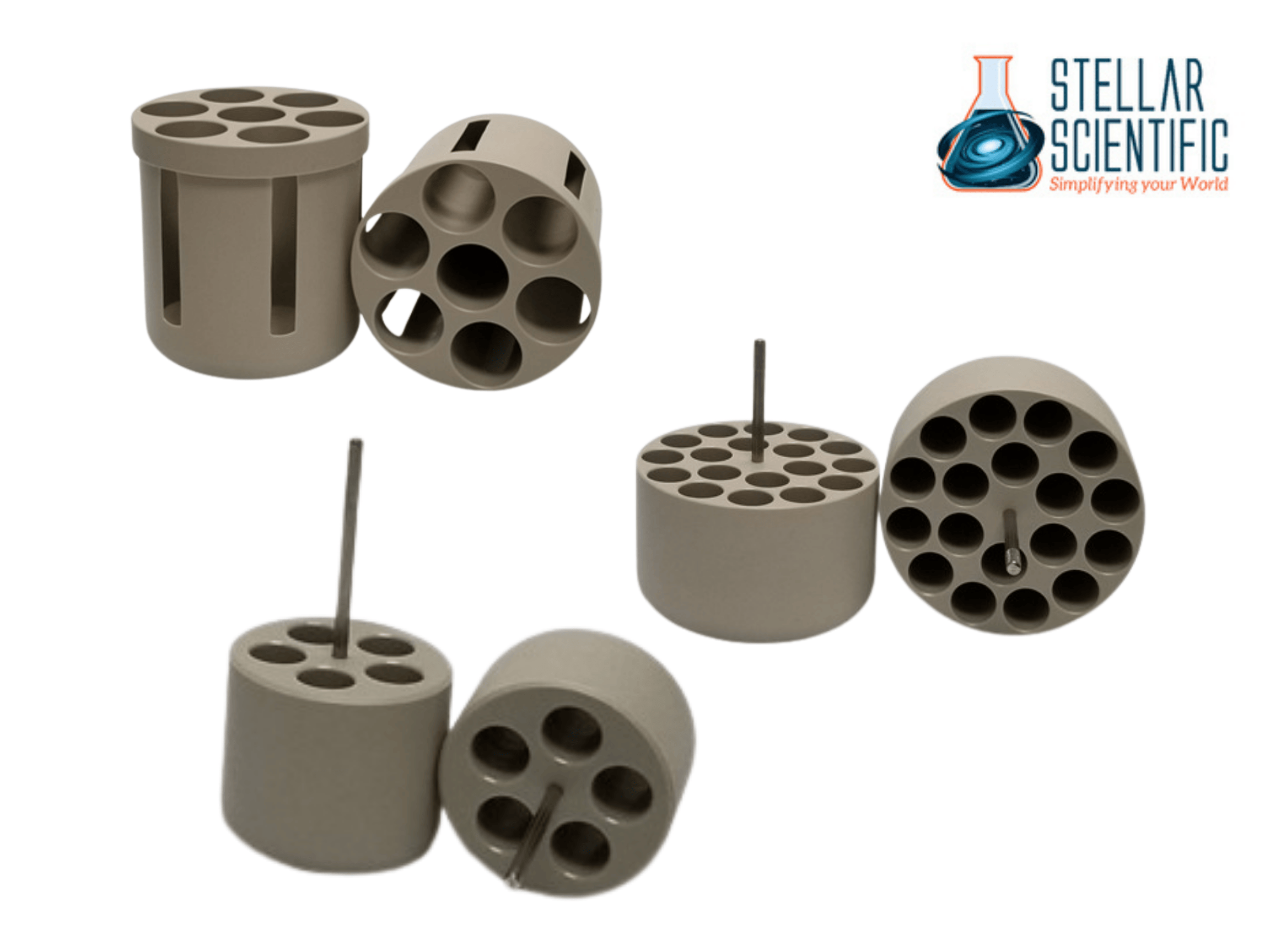
Centrifuge inserts, on the other hand, are smaller components that fit inside the buckets. They hold smaller tubes or plates, helping you get the most out of your centrifuge. For example, if you’re working with microtubes or PCR plates, you’ll need an insert that securely fits those formats.
If you’re looking for reliable parts, check out our centrifuge buckets and inserts at Stellar Scientific, where we offer compatible solutions for your equipment.
Why Do Buckets and Inserts Wear Out?
Buckets and inserts undergo significant stress during centrifugation. Each cycle introduces forces that can wear down the materials. Whether it’s the bucket's plastic or metal parts or the inserts that hold tubes securely in place, they all experience pressure over time.
Chemical exposure can also contribute to wear and tear. Some solvents, buffers, and salts can corrode metal parts, while harsh chemicals can degrade plastic inserts. Even if you take great care when cleaning, wear will occur.
At Stellar Scientific, we always recommend replacing buckets and inserts after a certain number of cycles or years, typically:
- 30,000 cycles or
- 8-10 years of service, depending on usage and conditions
In high-throughput labs, tracking cycles is an easy way to predict when replacement is necessary.
How to Tell If Your Centrifuge Buckets Need Replacing
You’ll want to replace your buckets if you spot any of these issues:
Cracks, Chips, or Warping
Even small cracks or chips in the bucket can become bigger problems if ignored. These imperfections can cause imbalance during spinning, which can affect your results and even damage your rotor.
Corrosion or Pitting
If you notice any signs of corrosion, especially around the edges or where the bucket connects to the rotor, it’s time to replace it. Corrosion can weaken the material, affecting both its fit and safety.
Deformation
If the bucket no longer fits snugly in the rotor, or if you notice it’s warped or deformed, it’s no longer safe to use. A warped bucket won’t spin evenly, which can lead to separation or more severe damage.
If you're using a Hermle centrifuge, we offer swing-out rotor buckets that fit your system perfectly.
When Should You Replace Centrifuge Inserts?
Inserts can wear out more quickly than buckets, since they directly hold the tubes during each run. Here are the main signs that an insert needs to be replaced:
Cracks or Warping
If an insert cracks or warps, it can no longer properly hold tubes in place. A loose insert causes imbalance, which can affect your samples and introduce unwanted vibrations.
Loss of Fit
Inserts should fit tightly inside the bucket. If they no longer sit securely or shift during a run, it’s a sign they need to be replaced.
Discoloration or Material Breakdown
Over time, exposure to centrifugal forces and chemicals can degrade the materials in the inserts, making them brittle or discolored. A worn insert may no longer provide the level of protection your samples need.
At Stellar Scientific, we have a variety of 50 mL conical centrifuge inserts that ensure tight fits for a range of tube types.
Signs It’s Time for Replacement: Operational Problems
Sometimes the wear isn’t visible, but you’ll notice issues during centrifugation. Here are a few signs your components are nearing the end of their lifespan:
Unusual Vibration or Noise
If you hear strange noises or feel more vibration than usual, it could be due to a damaged bucket or insert. This can lead to unbalanced spinning and, if left unchecked, more serious issues.
Inconsistent Separation
When components wear out, they lose their ability to balance properly. As a result, you might notice inconsistent sample separation. If your samples aren’t separating as expected, it’s a red flag that your buckets or inserts need to be replaced.
Spills or Leaks
More spills or leaks during your runs indicate that your inserts or buckets are no longer secure. This can lead to contamination and loss of precious samples.
Inspection and Maintenance: How Often Should You Check?
The inspection frequency should match your centrifuge’s usage. Here’s a simple guide:
|
Usage Level |
Inspection Frequency |
|
High-Throughput (50+ runs/week) |
Weekly |
|
Moderate Use (20-50 runs/week) |
Every 2-3 Weeks |
|
Low Use (<20 runs/week) |
Monthly |
It’s always a good idea to check your buckets and inserts after every cleaning, especially if you’ve been running them at higher speeds. Keeping an eye out for cracks, discoloration, or fit changes will help you replace them before any real issues arise.
When You Can Skip Immediate Replacement
Sometimes, wear isn’t severe enough to require an immediate replacement. Here’s when it’s okay to skip replacement:
- Minor cosmetic damage: Light scratches or discoloration that doesn’t affect the fit or performance.
- No operational issues: If the bucket or insert still fits snugly and functions properly, even with some minor wear, you can continue using it.
But if you notice any imbalance, vibration, or improper fit, it’s always better to replace the part sooner rather than later. It’s better to be proactive than reactive.
What You Actually Need: A Simple Decision Framework
Replace now if:
- There are visible cracks, deformation, or corrosion
- The insert no longer holds tubes securely
- You notice unusual vibrations or an imbalance
Plan to replace soon if:
- Your parts are nearing their cycle limits (30,000 cycles or 8-10 years)
- You frequently spin at higher speeds or use chemicals that accelerate wear
Monitor if:
- The parts are still functional and fit securely
- Wear is superficial and doesn’t impact performance
Ready to Replace Your Centrifuge Buckets and Inserts?
If it’s time to replace your centrifuge buckets or inserts, Stellar Scientific offers a variety of compatible products for your centrifuge system. Our centrifuge buckets and inserts are designed to match specific rotor types and tube formats, ensuring a perfect fit for your lab’s needs.
- Browse our full selection of centrifuge buckets and inserts
- Get a quote or compatibility check to ensure a proper fit
- Request help from our team to find the best replacement options for your system
Contact us today for personalized recommendations and ensure you have the right parts before they fail!